What Anthropology Teaches Us About Love, Sex, and Breaking the Monogamy Mold
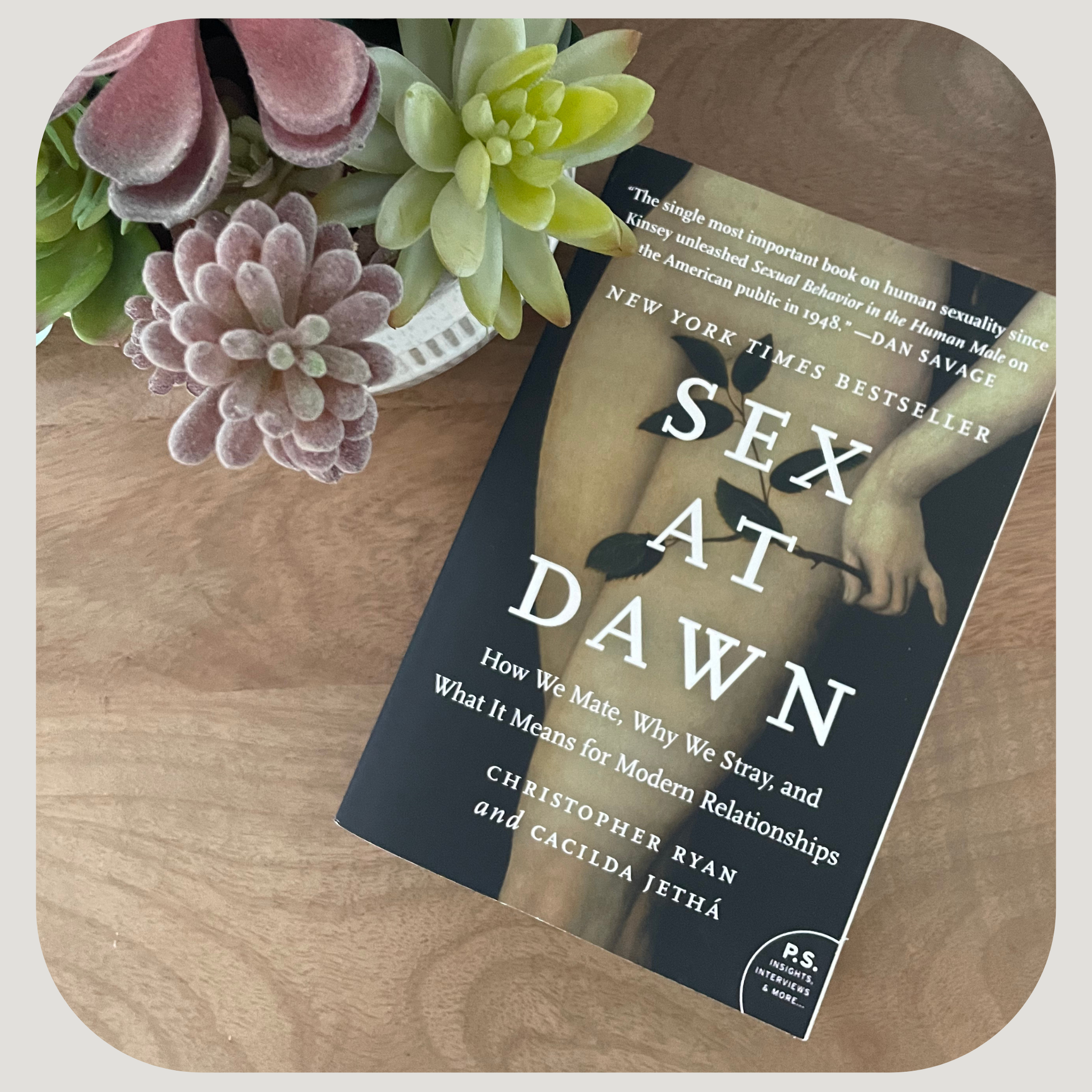
Reading Sex at Dawn by Christopher Ryan was like opening a window into a completely different way of seeing human sexuality and realizing the air outside smells fresher than I thought. The book makes a strong, well-researched argument that the emergence of agriculture wasn’t just about farming and food supply - it fundamentally altered how humans related to each other. With agriculture came property, ownership, and, over time, the deeply ingrained idea that women could be considered part of that property.
This shift, Ryan argues, set the stage for centuries of misogyny and strict sexual norms. Before this, many pre-agricultural societies engaged in more fluid, communal approaches to sex, relationships, and child-rearing. The book highlights cultures that view sex as an integral, joyful part of community life, not something to be tightly controlled, hidden, or burdened with shame.
What fascinated me most was how Sex at Dawn challenges the “default setting” of monogamy that’s so often taken for granted in American culture. By looking at anthropology, evolutionary biology, and cross-cultural studies, Ryan opens the door to conversations about consensual non-monogamy, polyamory, and sexual freedom.
As a therapist, I see this shift happening more and more in my own practice—clients questioning traditional relationship structures, exploring new ways to connect, and finding that honesty and openness often lead to deeper intimacy than rigid rules. Reading Sex at Dawn reaffirmed for me that human relationships are as diverse and creative as we allow them to be.
If you’re curious about why we think the way we do about sex—and how much of it is cultural conditioning rather than biological truth—this book will challenge you, entertain you, and maybe even change the way you see your own relationships.